Moto Center – motorcycle and scooter online store

Moto Center: how we moved motorcycle sales from social media and marketplaces to the company’s own online store
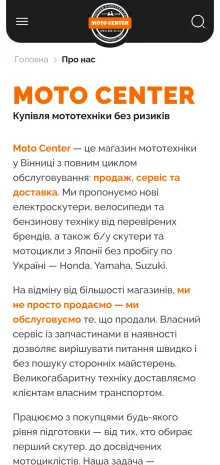
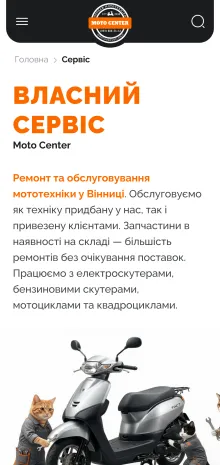
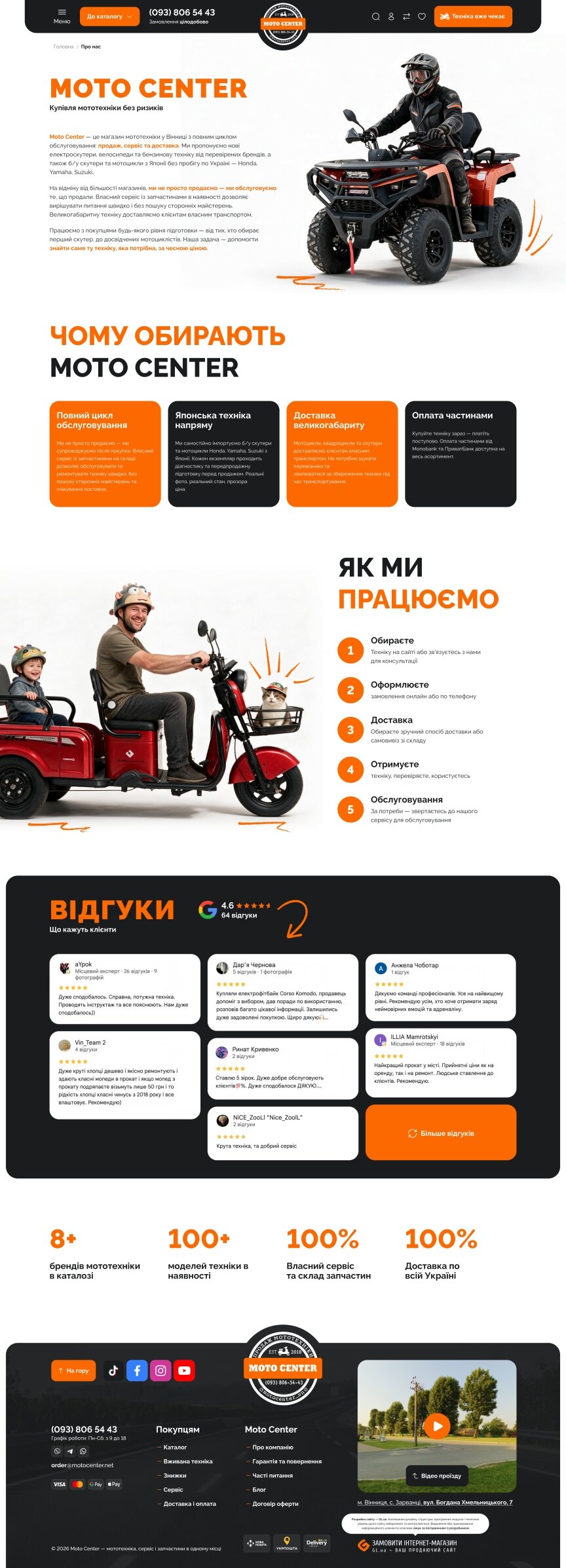
Moto Center sells new electric scooters, e-bikes, motorcycles and ATVs (CORSO, YADEA, Tailg, Garow, Tairon), as well as used Honda, Yamaha and Suzuki scooters and motorcycles that it imports directly from Japan. The company runs its own service center, keeps a spare parts warehouse and delivers large vehicles with its own transport.
Before the launch, sales went through TikTok, Facebook, Prom and Rozetka. There was an audience, but the store depended on third-party platforms and their rules. Our task was to build an online store of its own that overcomes distrust of expensive online purchases, helps beginners choose the right vehicle and makes checkout simple.
Design: character instead of a template
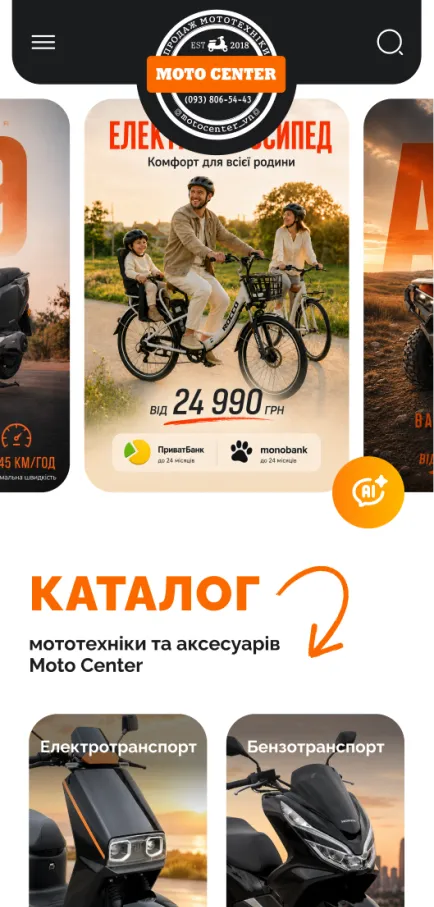
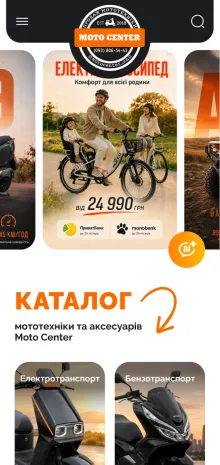
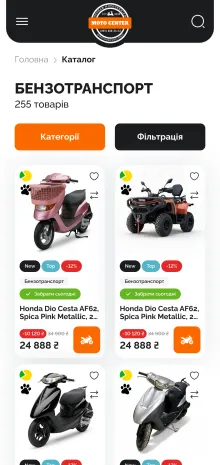
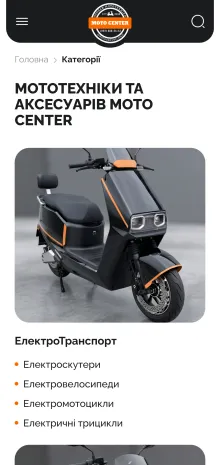
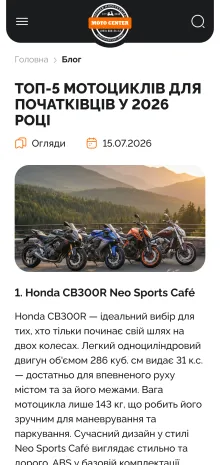
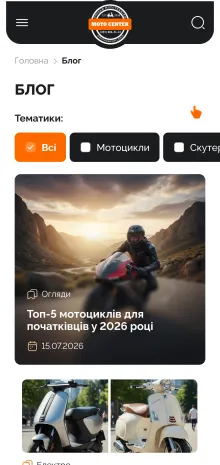
Most stores in this niche have cluttered, look-alike catalogs. We bet on a recognizable visual style: a dark header, an orange accent, large vehicle photos in the categories and short block headings in riders’ language – “The Road Is Calling”, “Silent” for electric vehicles, “Powerful” for petrol ones. The first screen immediately shows the price, installment payments and delivery terms. The layouts were designed mobile first: Moto Center’s audience comes from TikTok and Instagram and opens the site on a smartphone. The desktop version has an accessibility panel for people with special needs.
Challenge #1: How do you sell a UAH 50,000–130,000 vehicle that the buyer can’t inspect?
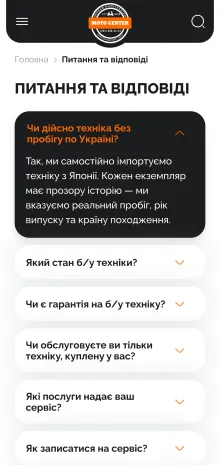
Few people buy an expensive vehicle without doubts. Buyers of used Japanese bikes also suspect that the vehicle has already been ridden in Ukraine or hides defects.
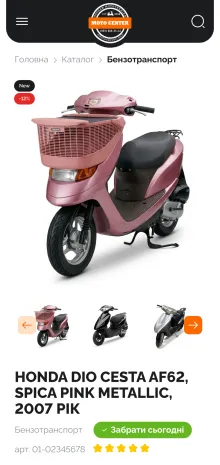
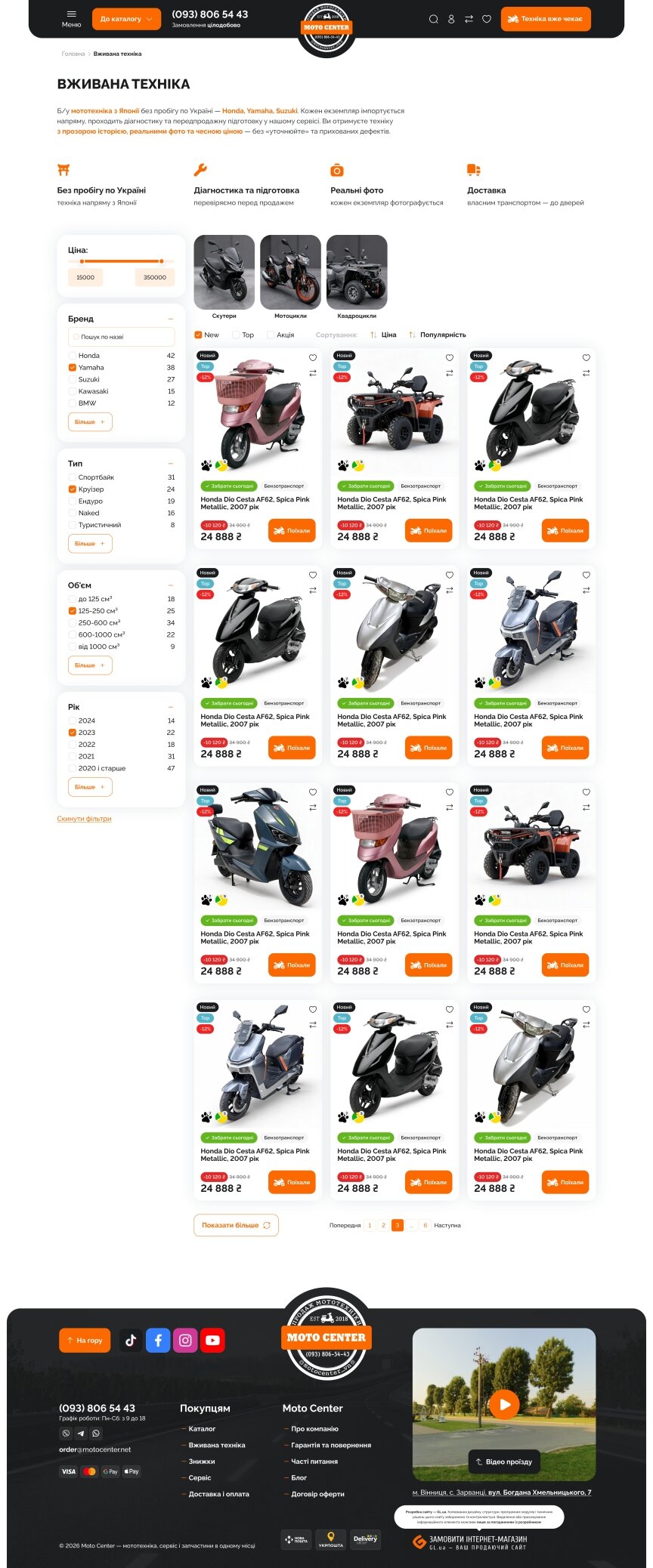
- Product cards without “please inquire”: condition (new or used), availability, price and discount, installment availability. Vehicles from Japan have separate fields: country of origin, year of manufacture, mileage and a detailed condition description. Every card follows the same structure.
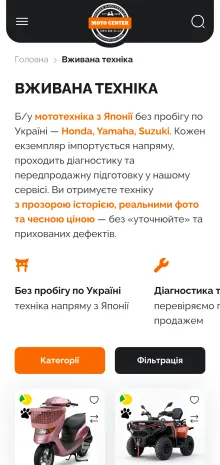
- A separate “Used vehicles” section: explains how the company imports and prepares each unit. It answers the buyer’s main objection and also works as a landing page for search queries like “used Honda scooter from Japan”.
- Reviews: reviews from Google and social media on the home page, and moderated customer reviews on each product page.
- Honest availability: out-of-stock items automatically move to the end of the catalog, and the “Buy” button changes to “Notify me when available”. Customers don’t order what isn’t in stock, and the store doesn’t lose them.
Challenge #2: How do you help both beginners and experienced riders choose?
The range goes from a children’s e-bike to an ATV. Beginners get lost, while experienced buyers want to filter by specifications and skip the marketing.
- The “Selection” block: four steps – purpose, engine type, condition and budget. After them, the user lands in the catalog with the filters already applied. We made purpose (“for the city”, “for delivery work”, “for off-road”, “for the farm”) a separate product attribute, because beginners think in terms of tasks, not engine displacement.
- Filters for experienced buyers: price, brand, engine type and displacement, power, range, battery capacity, load capacity, condition.
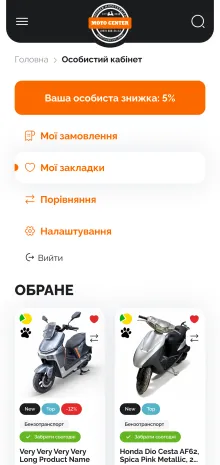
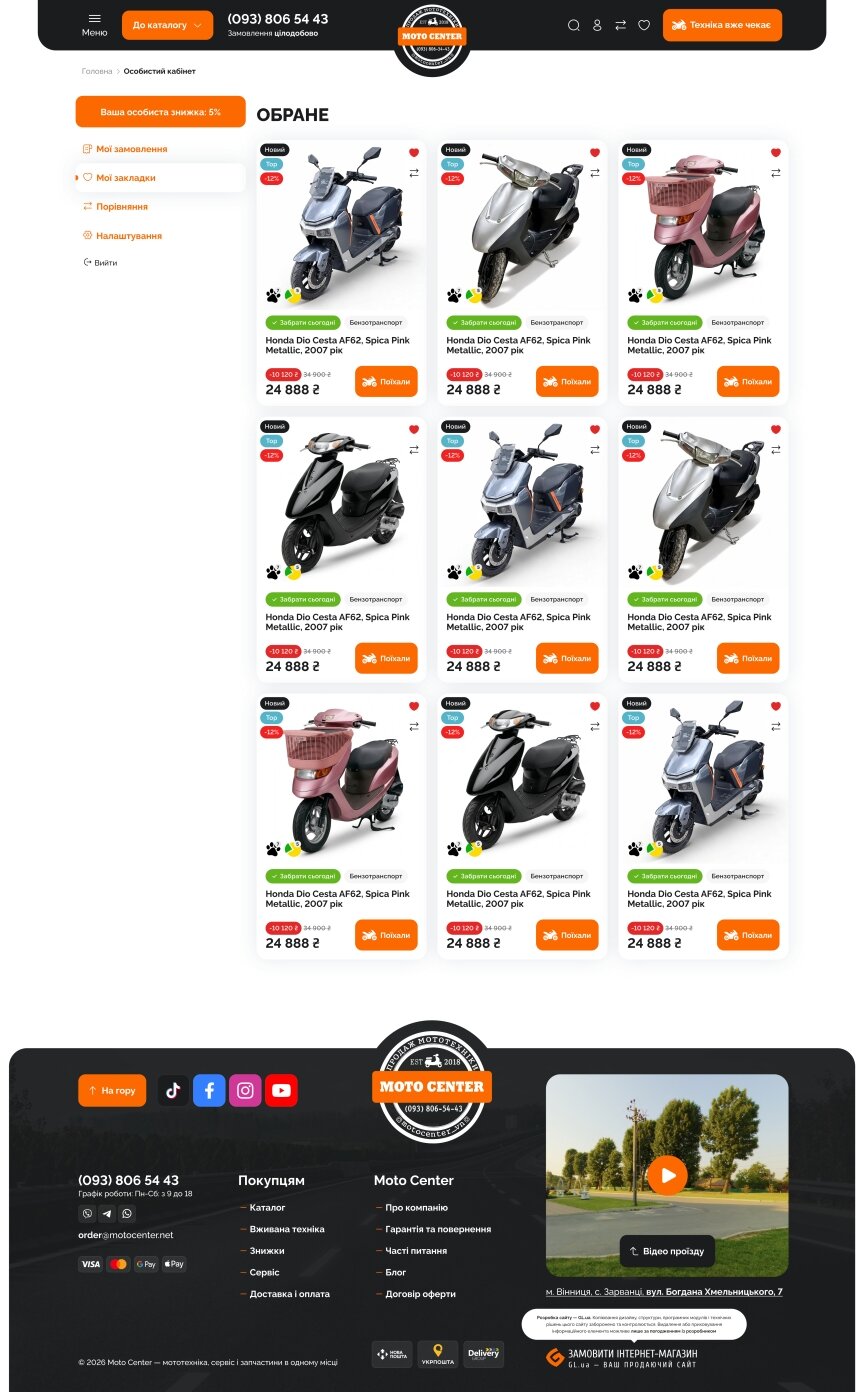
- Comparison and favorites: for those who spend several days choosing between models.
- Search by name and SKU: for parts buyers who know exactly what they need.
Challenge #3: How do you make a big purchase simple?
The more expensive the vehicle, the more questions come up at the payment and delivery stage.
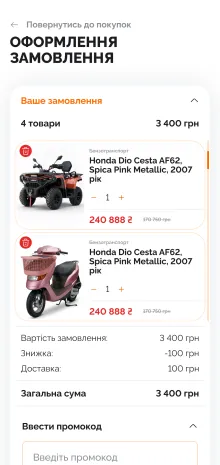
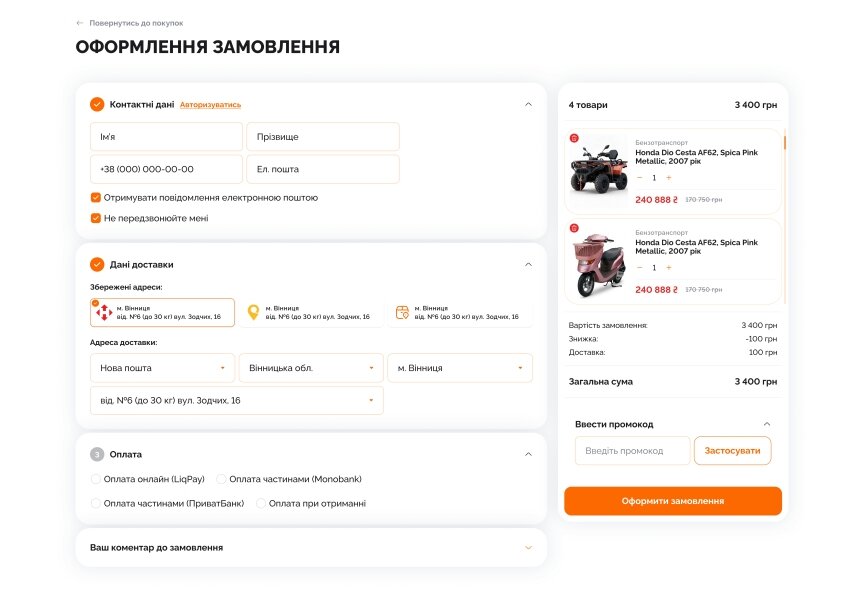
- Installment payments from Monobank and PrivatBank: a label on product cards and a separate button on the product page that leads to checkout with the payment method already selected.
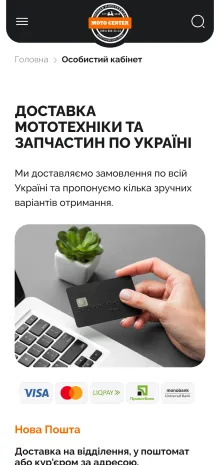
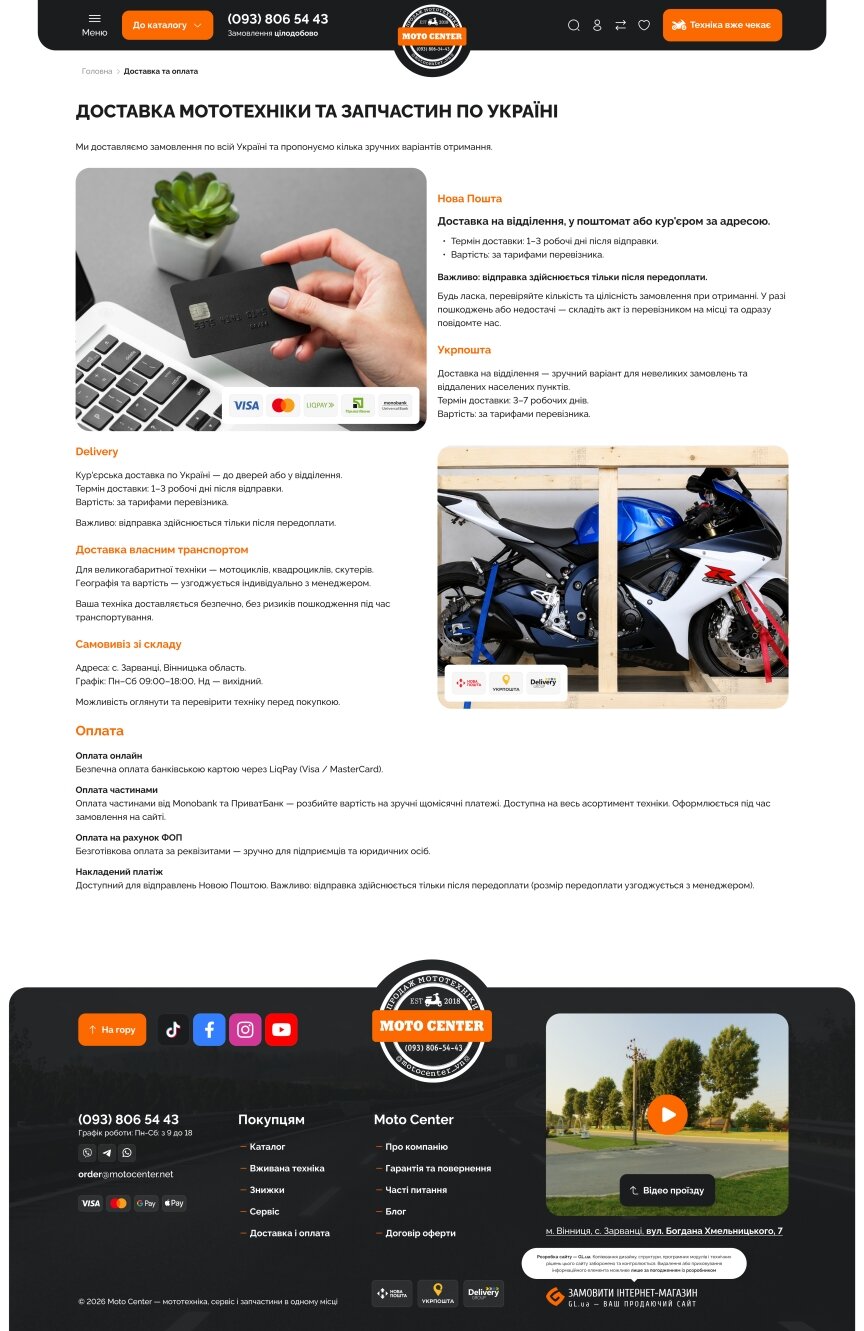
- Delivery that fits the size: Nova Poshta, Ukrposhta, Delivery, pickup from the warehouse near Vinnytsia and the company’s own transport for motorcycles and ATVs.
- “Kit for your vehicle”: a helmet, protective gear and gloves can be added to a scooter right away with a kit discount. The customer saves money, and the store sells more per order.
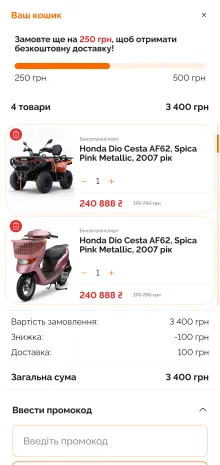
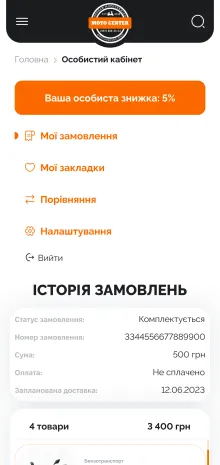
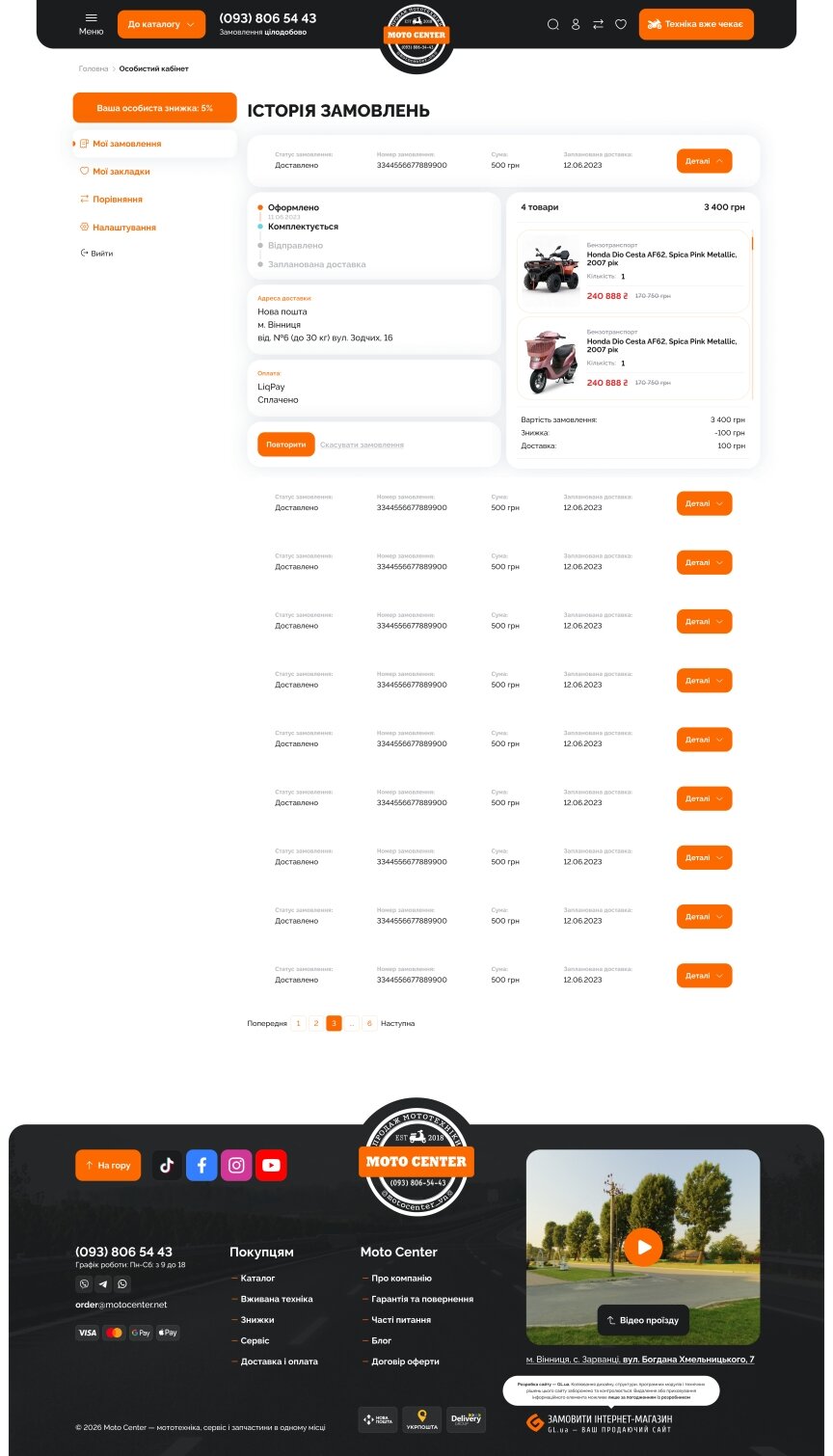
- Promo codes and personal discounts for regular customers, including repair shops and couriers who buy on a regular basis.
Result: a sales channel of its own
Moto Center now has its own sales channel that doesn’t depend on social media algorithms or marketplace commissions. The site communicates the company’s key advantage: here vehicles are not only sold but also serviced. It helps beginners choose a model and makes buying an expensive vehicle simple – with installments and door-to-door delivery. The Drupal catalog is built to grow from hundreds to thousands of items without rebuilding.






Just one step to your perfect website